Cadence

Building AI-powered tools so injured workers get better outcomes.

My Role Design Leader & Strategic Advisor
Scope Product · Strategy · Advisory · 0 to 1
The Challenge

A broken system nobody can navigate, no matter which side of the claim you're on.

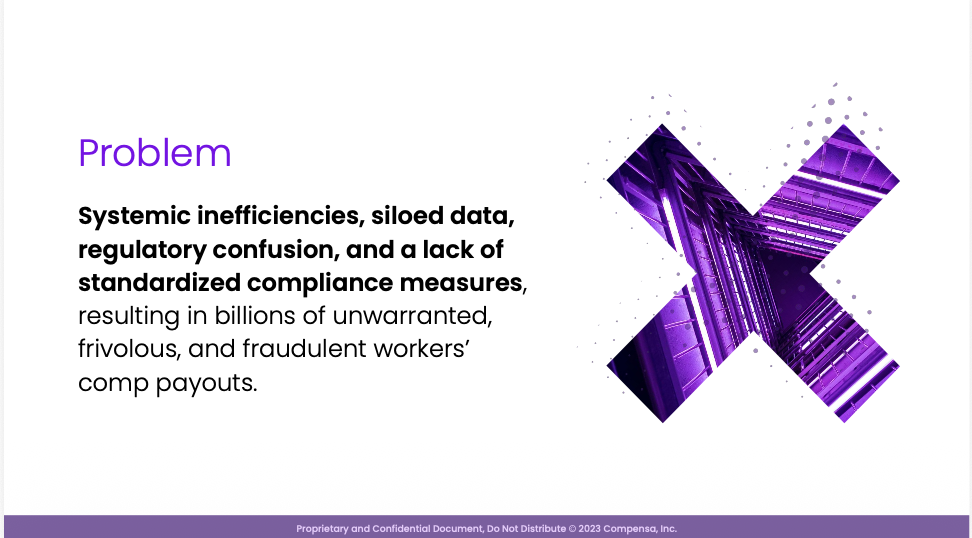
Workers' compensation is a $97 billion industry, and 35–40% of that spend has nothing to do with actual benefits. It goes to administrative overhead, litigation, and the cost of a system so arcane that every stakeholder in it — employees, employers, carriers, adjusters — struggles to use it effectively.

Cadence was built to change that, starting with MMI report analysis: the kind of dense, time-intensive med-legal work that buries adjusters and delays outcomes for injured workers. My role was to lead design strategy and product thinking from inception, shaping the product vision, defining the experience, advising on go-to-market, and helping secure the funding to bring it to market.

This wasn't just a design engagement. It was zero-to-one product leadership: setting direction, making critical trade-offs, and building the credibility that got investors and early clients in the door.

Sectors
Workers' Comp Insurance Legal Tech Med-Legal
Disciplines
Product Design Design Leadership Strategic Advisory AI / Automation UX Strategy Stakeholder Alignment Pitch & Fundraising Go-to-Market
01
Full platform built from scratch: product strategy, design, and go-to-market
Automated QME summarization, injury analysis, and AMA guide processing.
Acquired
Pitch materials contributed to the successful acquisition of the predecessor company
Product Vision & Strategy

A holistic AI system, built one high-impact feature at a time.

We designed Cadence with a full AI case management system in mind, a platform that could eventually guide a claim from intake to resolution with intelligence at every step. But rather than try to build everything at once, we asked a harder question: where does the time actually go, and what's costing people the most?

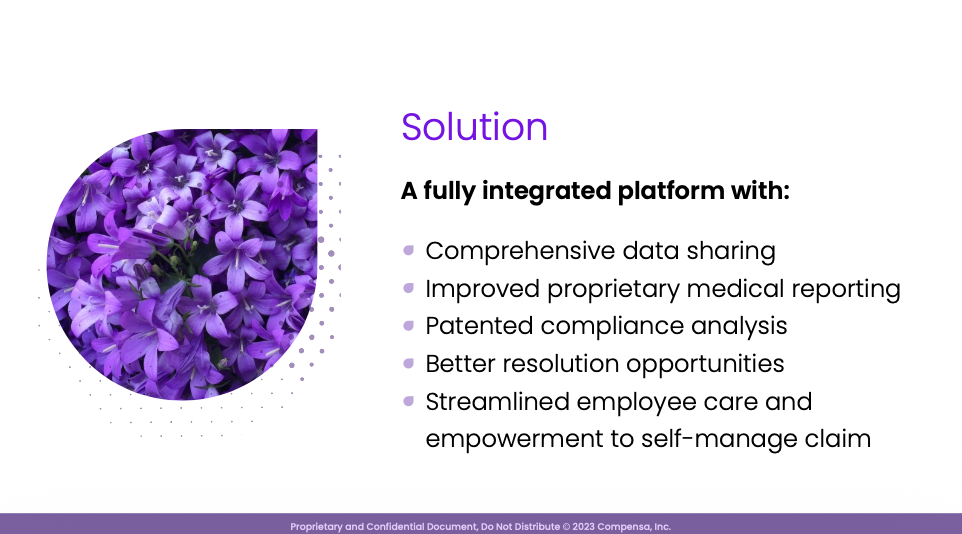
The answer pointed clearly to MMI report analysis: the dense, high-stakes med-legal work that adjusters and attorneys were spending hours on manually, and where errors could derail an entire claim. That's where we started. The broader system was always the destination; this was the most valuable first step toward it.
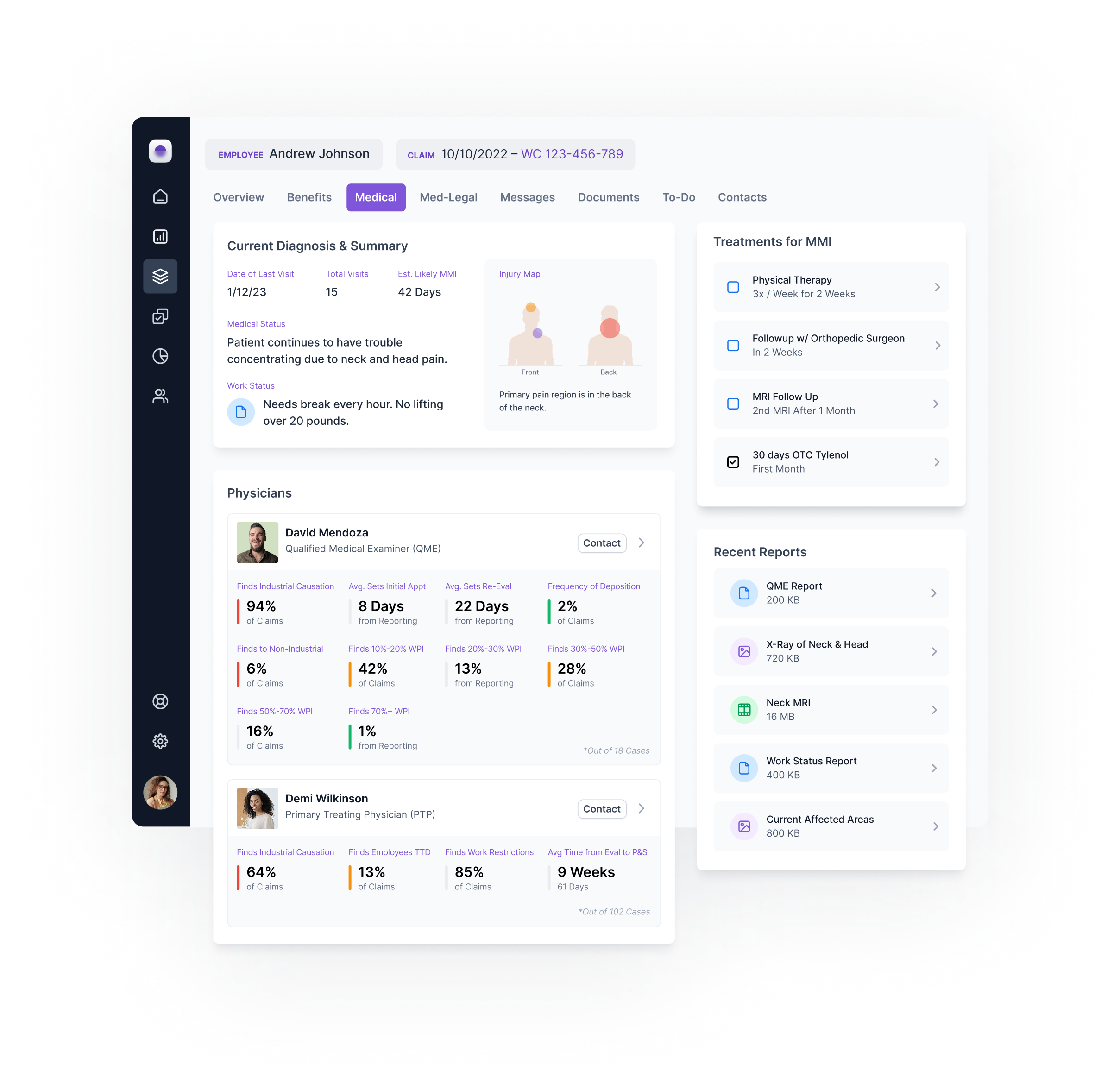
Cadence TPA Claim Medical View
The industry doesn't just need faster — it needs faster and defensible. And it needs to work for everyone at the table: TPAs, adjusters, attorneys, and employers alike.
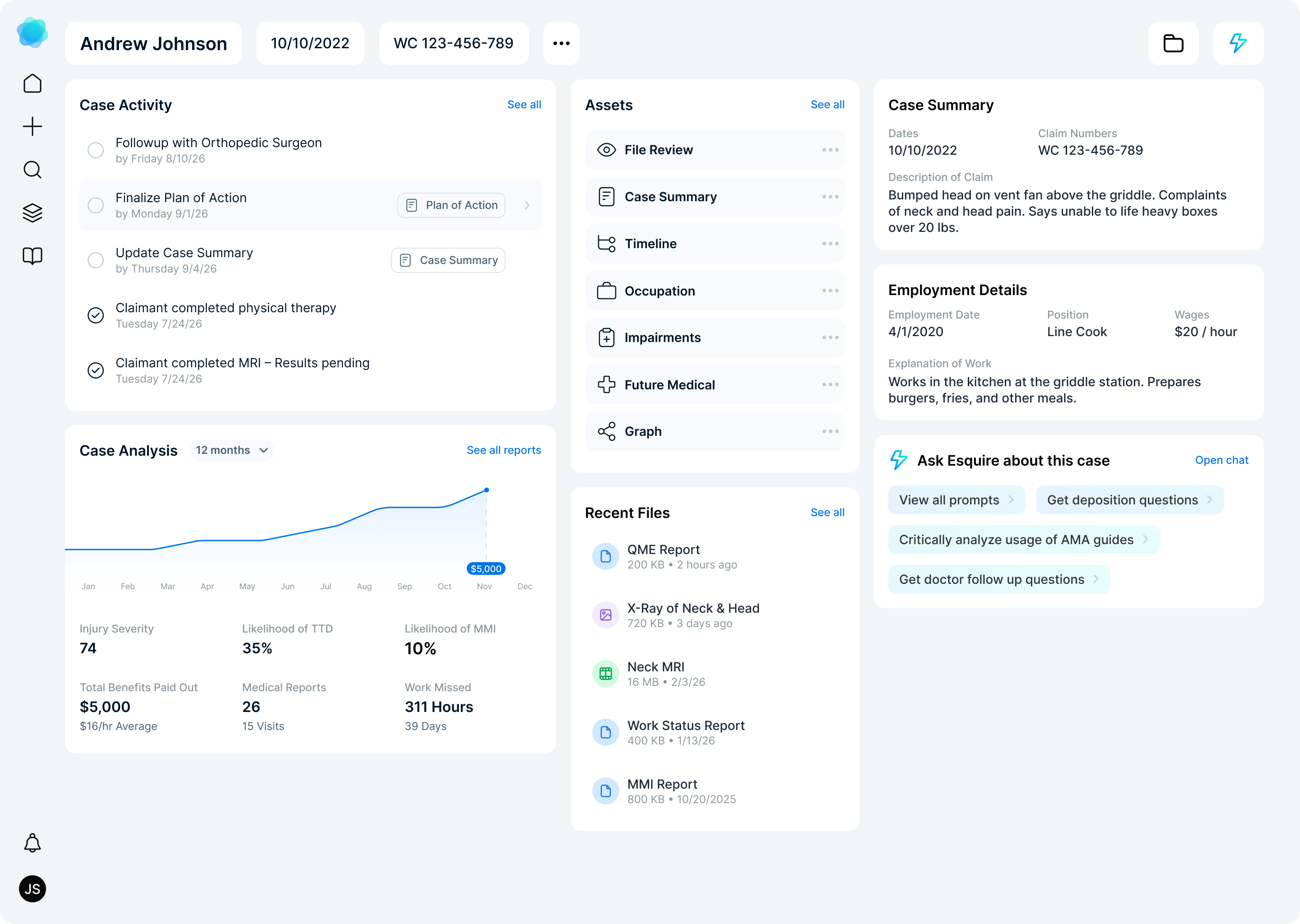
AI-Driven Features

Turning complex med-legal documents into instant, structured insight.

Workers' comp cases hinge on documents: QME reports, medical records, and AMA impairment guides, all dense, inconsistent, and time-consuming to parse. We designed AI-powered workflows that extract the signal from the noise, dramatically reducing case processing time while keeping adjusters and attorneys firmly in control.

01QME & Med-Legal Summarization
Automated extraction and structuring of qualified medical evaluations, surfacing findings, diagnoses, and recommendations without requiring manual review of hundreds of pages.
02Injury Analysis
AI-assisted injury classification and severity analysis, giving adjusters consistent, defensible output that accelerates decision-making at every stage of a claim.
03AMA Guide Analysis
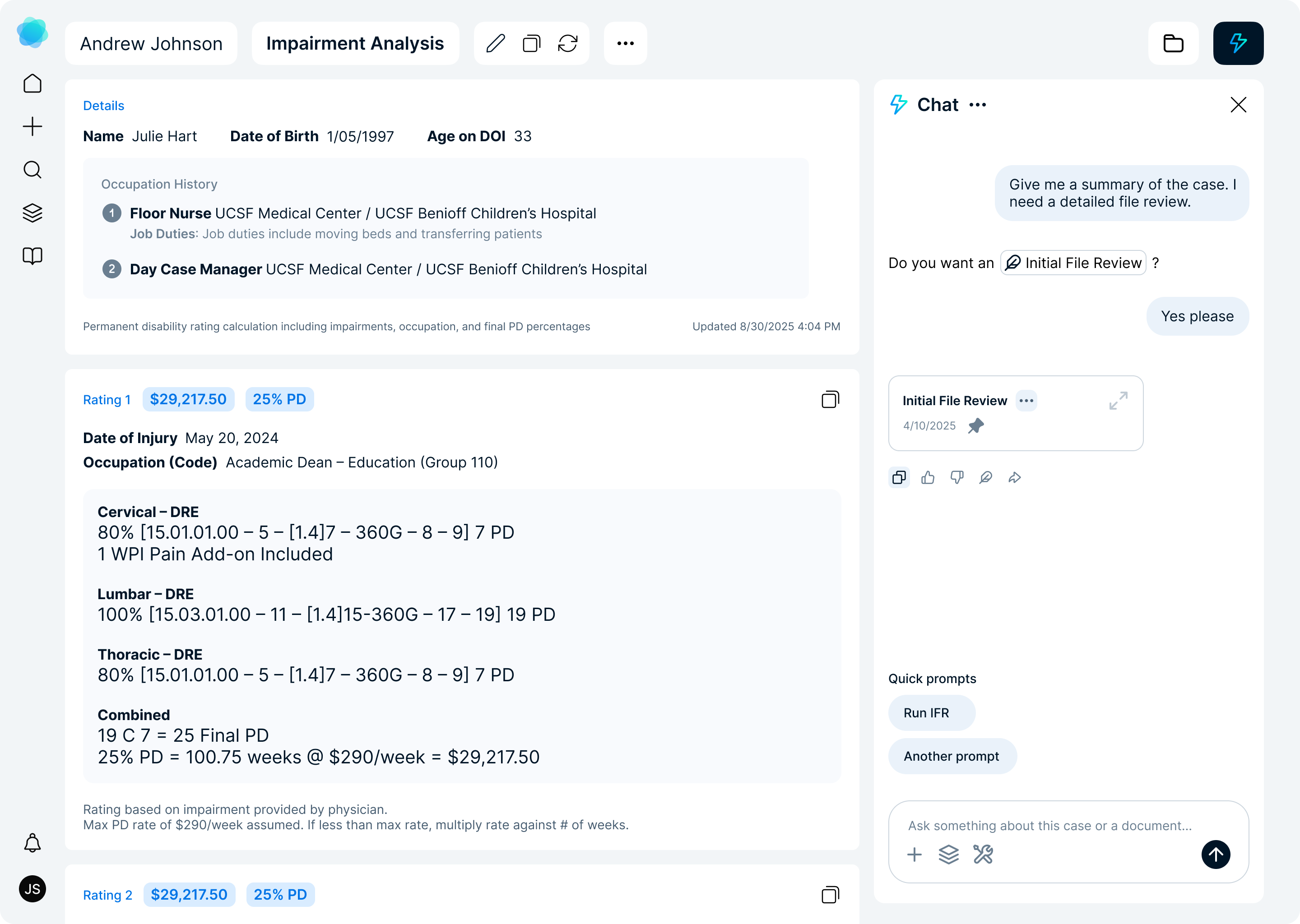
Automated interpretation of the AMA Guides to the Evaluation of Permanent Impairment, reducing hours of manual calculation to seconds and minimizing costly errors.
Cadence case claim view Cadence impairment analysis
Design Culture & Advisory

Embedding design thinking across
the organization.

Workers' compensation is not a space that rewards experimentation for its own sake. The people using this platform are making consequential decisions: for injured workers, for businesses, for legal proceedings. Getting the experience right demanded more than good UI; it required design to be present in every strategic conversation.

I led the effort to establish a design thinking culture across the team, setting shared principles, running collaborative critique sessions, advising on product roadmap priorities, and ensuring user-centered thinking shaped decisions at every level, from features to fundraising.

Fundraising & Go-to-Market

Design as a fundraising asset, not just a product deliverable.

Securing early-stage funding in a niche B2B vertical requires more than a good deck. It requires demonstrating that you understand the problem better than anyone else in the room. I developed the pitch materials and investor messaging that helped Cadence secure its initial funding round, led to the successful acquisition of the predecessor company, and fueled subsequent capital raises.

On the growth side, I helped design a controlled rollout strategy to bring on initial clients methodically, gathering real feedback, iterating quickly, and building the kind of references that support a strong pipeline. The goal was always sustainable momentum, not just a launch.

Pitch & Fundraising
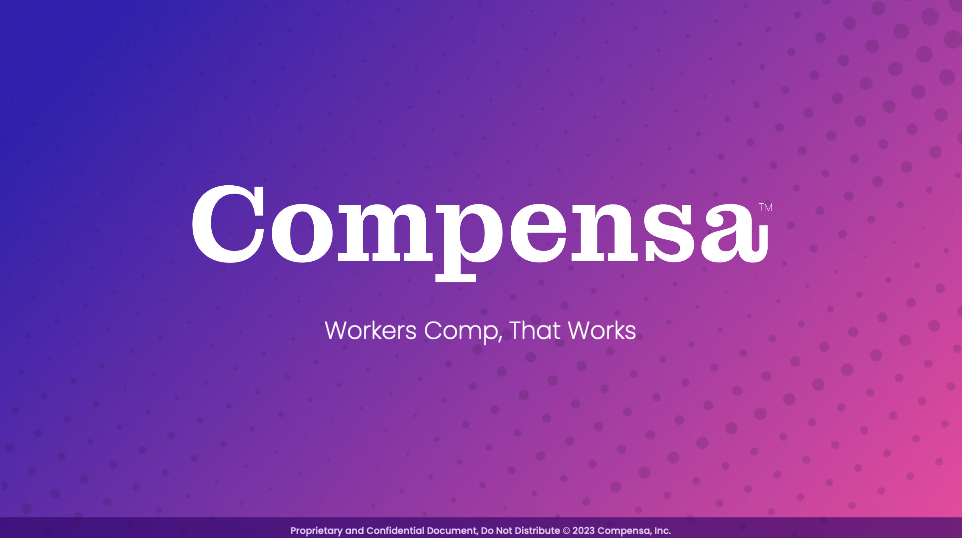
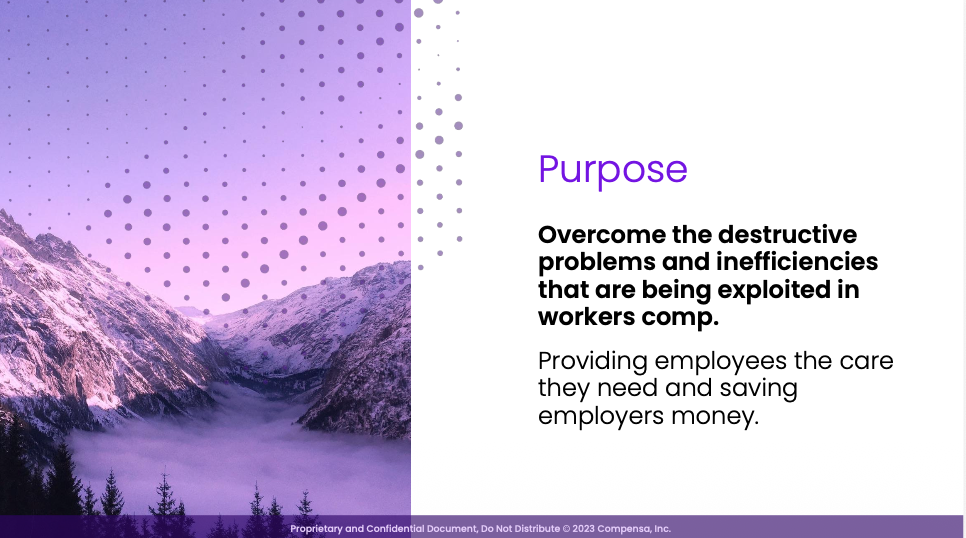
Developed decks, product demos, and messaging that told a clear, compelling story, from market problem through solution and traction, at every stage of fundraising.
Pipeline-ready growth
Balanced a strong inbound pipeline with deliberate release pacing, ensuring product quality stayed ahead of demand and the team could scale without breaking what was working.
Pitch deck slide 1 Pitch deck slide 2 Pitch deck slide 3 Pitch deck slide 4
Reflection

When design leads from the beginning, everything compounds.

Working on Cadence reinforced something I've come to believe pretty firmly: design does its best work when it's embedded from the start, not brought in to polish what's already been decided. From shaping the initial vision to securing funding to defining what the product should actually feel like, design was the through-line.

The hardest part of building in a complex regulatory space isn't the technology. It's building enough trust that experts in the field will let you change how they work. That trust starts with how your product looks, how clearly it communicates, and how carefully it handles the weight of the decisions it supports.

Esquire ···
Quick prompts
Ask something about this case…
Next up
Spruce by H&R Block
Fintech · Design Leadership
Cadence — Protected